The History of Rouge Homme
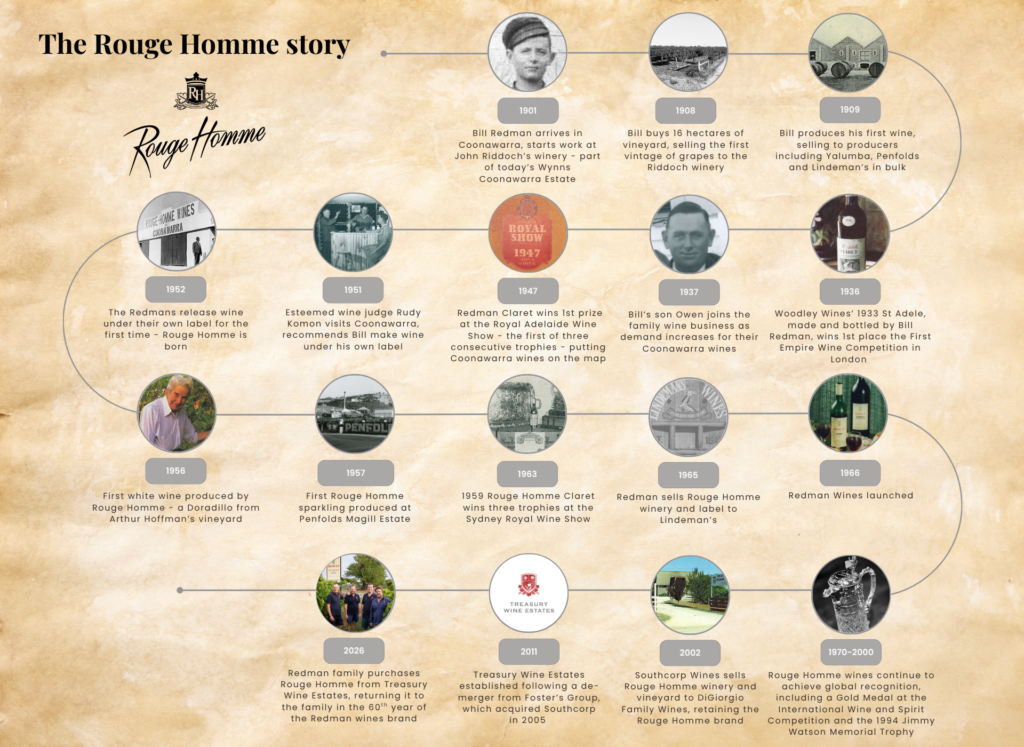
Rouge Homme is one of Australia’s most storied wine brands, a tale spanning two World Wars, five generations and a family who didn’t just grow exceptional Coonawarra red wine, but helped build the region’s very reputation. This is the history of Rouge Homme, the Redman family, and the Coonawarra wine region that captured the world’s attention.
The early days
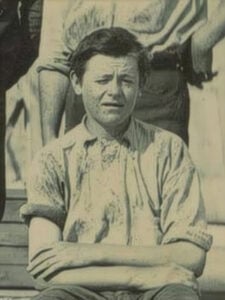
Bill Redman first came to the Coonawarra region in 1901, looking for work. He was one of a family of ten, and he and his brother arrived by train from Stewart Range, west of Naracoorte, seeking work at what is now Wynns winery, but which at that time, was owned by John Riddoch. Bill was just 14. While his brother picked grapes, Bill ended up working in the cellar, and was offered a full-time job at the winery after vintage was over, where he remained for six years learning the ropes. After a brief spell away working in the wheat fields at Pinnaroo near the Victorian border, Bill returned to take up a position as head cellarman at Riddoch.
In 1908, Bill bought his own block of 40 acres of vineyards in Coonawarra, selling his entire first crop of grapes to Riddoch to help finance his purchase. For the following few years, he remained the only grape-grower in the region producing red wine, selling them on to other wineries and wine merchants. In the Riddoch cellars, Bill learned to make wine.
Bill made his first wine in 1909, in very rudimentary conditions. His innovative instincts led him to develop what became known as ‘dinner clarets’, which were more refined and lighter than the heavy reds more commonly made and consumed at the time. For the following 30-odd years, Bill sold his bulk wine to other Australian wineries, including Tolley, Woodley and Yalumba.
What’s in a name – from Redman to Rouge Homme
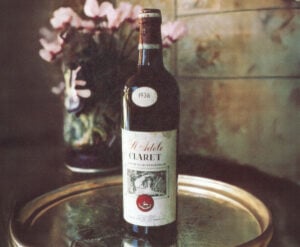
The 1933 Woodley’s St Adele Claret, which won the best claret at the 1936 First Empire Wine Competition in London, was entirely a Coonawarra wine made by Bill Redman. But this competition recognition did not bring with it any fame for Coonawarra or the Redmans. The label did not mention who made it or where it came from.
Owen Redman joined his father in the family business in 1937. They continued to sell their wine to other wineries in South Australia. However, the reputation of their wines continued to grow, and demand increased.
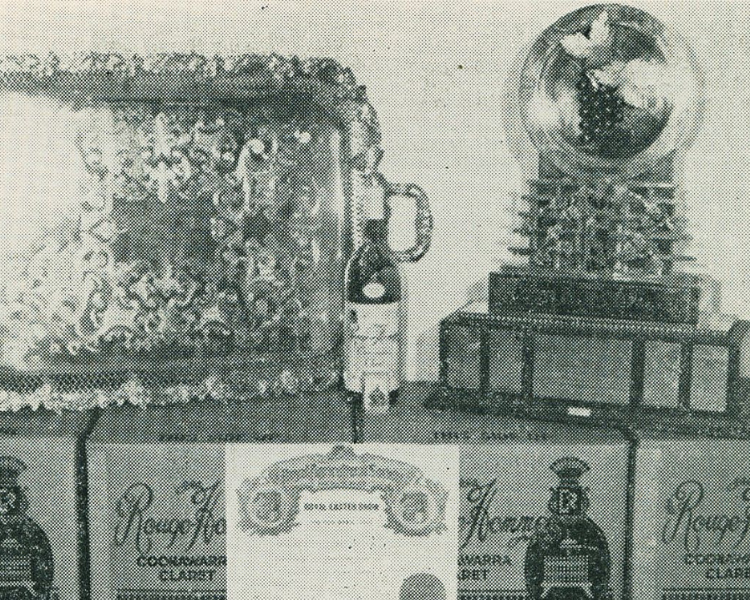
By 1947, the family’s (and the Coonawarra’s) reputation was secured at the Royal Adelaide Wine Show, where Owen’s first-ever entry took out first prize in the claret class. There were only seven entries in this section, but this was the beginning of the recognition of Coonawarra, with bystanders at the show learning who the Redman family was. Rudi Buring (brother of Leo) and one of the best-known wine men introduced Owen to those at the 1947 judging and the Redman name started to be recognised in wine circles. The family won again at the 1948 and 1949 shows. Woodley Wines started adding Coonawarra to their labels, given the growing appeal of the region.
In 1951, Woodley’s sold their Coonawarra holding, including the Riddoch winery to S. Wynn and Co. Wynns was to become the biggest producer of wine in the district.
1951 proved to be a pivotal year in the history of Coonawarra. Whilst Wynns took on new ownership, the influential wine judge and commentator, Rudy Komon, visited Coonawarra. Rudy was active in the New South Wales Wine and Food Society, influential in making the Sydney wine market aware of fine wine. Having been exposed to some of the wines as a show judge, he wanted to taste some of Bill and Owen’s wines for himself. Sadly, they didn’t have any as all had been sold. Rudy was rather disappointed and advised them to bottle some wine under their own label. Upon Mr Komon’s advice, the Redman family began keeping some wine on hand for visitors to the winery to sample.
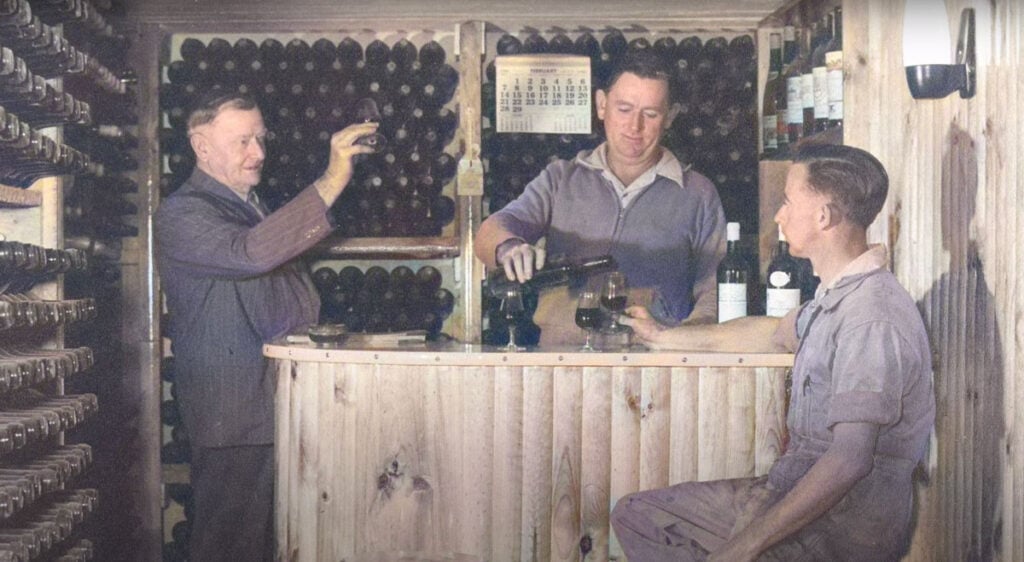
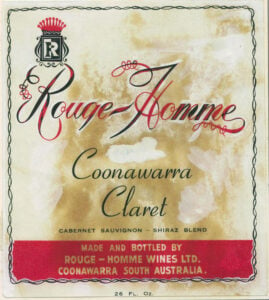
Two hogsheads were held back for the first time in 1952, and the family decided it needed a label. At first, the label was going to declare simply Redman Claret. But the Redman’s were discouraged. With the dominance of France and all things French being seen as the epitome of sophistication in the world of wine at the time, the name ‘Redman’ was deemed too ‘ordinary’ by the designer of Bill and Owen’s wine label.
The family considered several names including Namder (Redman spelt backwards). It was Don and Joy Redman (Owen’s brother and sister-in-law) who came up with the name Rouge Homme. They had purchased a French dictionary, and the name was literally translated to mean ‘Red Man’, although it was not until the label was printed that French speakers informed the family that the correct French was Homme de Rouge, but by then it was too late! The family prepared an advertising campaign to promote their wine, but it was never needed. Six months after they bottled the first Rouge Homme, it had been sold for 42/- a dozen. Sales soared every season.
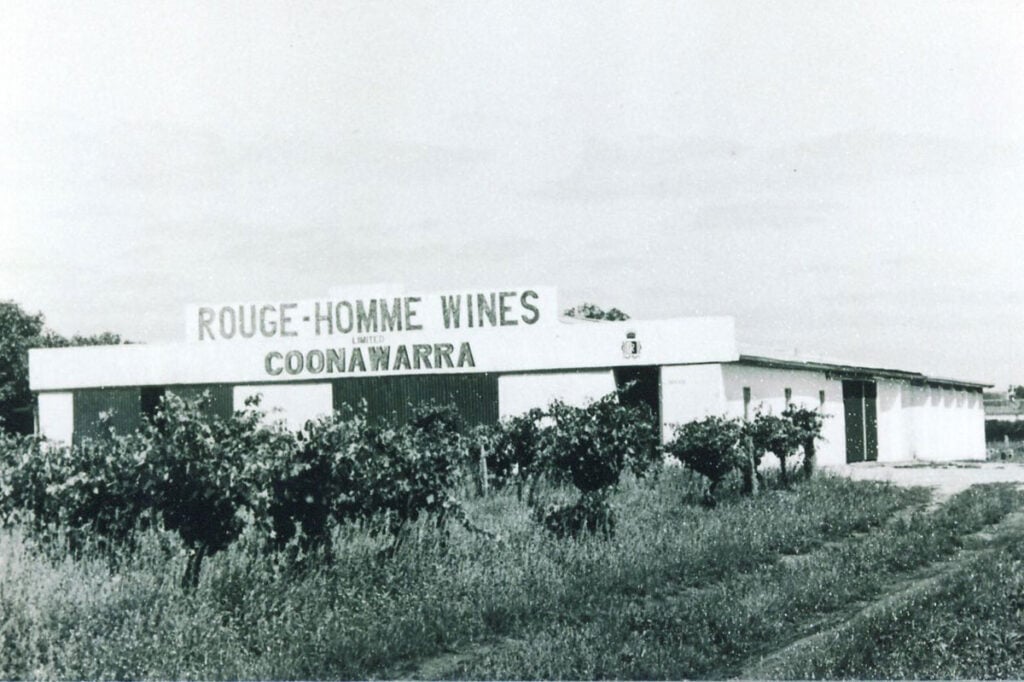
The family continued to be a major force in developing Coonawarra as an acclaimed wine region, picking up numerous awards for subsequent Rouge Homme clarets, and simultaneously supplying bulk wine to seven major Australian wine companies, including Smith’s Yalumba, Thomas Hardy and Sons, Penfolds, Lindemans, Reynella and Mildara. In the 1955 Adelaide Wine Show in the claret section, the first five placed wines were all made by Redman’s and sold to other makers. A wine judge at the time remarked that he ‘was left stranded trying to do justice to the incomparable attractions of a Redman claret’. Maurice O’Shea, the legend of the Hunter Valley, visited the Redman’s vineyard and called it “a winemaker’s dream”.
It was not just red wine being made, though. In 1956, the first white wine was made by Rouge Homme, a Doradillo from Arthur Hoffman’s vineyard that was supplied to Ron Hazelgrove as Sherry material. The business relationship with Penfolds was also fostered with more direct dealings. James Halliday quoted “Penfolds under the guidance of Max Schubert began to buy red wine in bulk but when the Redmans showed Schubert their ‘riesling’ he was singularly impressed. When he found out it was made from doradillo, Schubert is said to have exclaimed “if you make wine like that out of doradillo, what would you make if you planted the top quality varieties in Coonawarra.” The following year saw an experiment with sparkling wine, with a hogshead of Doradillo sent to Penfold’s Magill Estate to test out sparkling. Penfolds kept half and the other half was returned to Redman as payment for the grapes.
The 1963 Sydney Royal Wine Show results continued to cement the quality of the Rouge Homme Wines. The 1959 Rouge Homme Claret achieved an unprecedented triple: Gold medal in the Claret Section, The Arthur Kelman Prize for Best Champion Claret, Dr Gilbert Phillip’s Memorial Trophy for Best Table Wine in the Show and the John Dyon Trophy for the Champion Wine of Show.
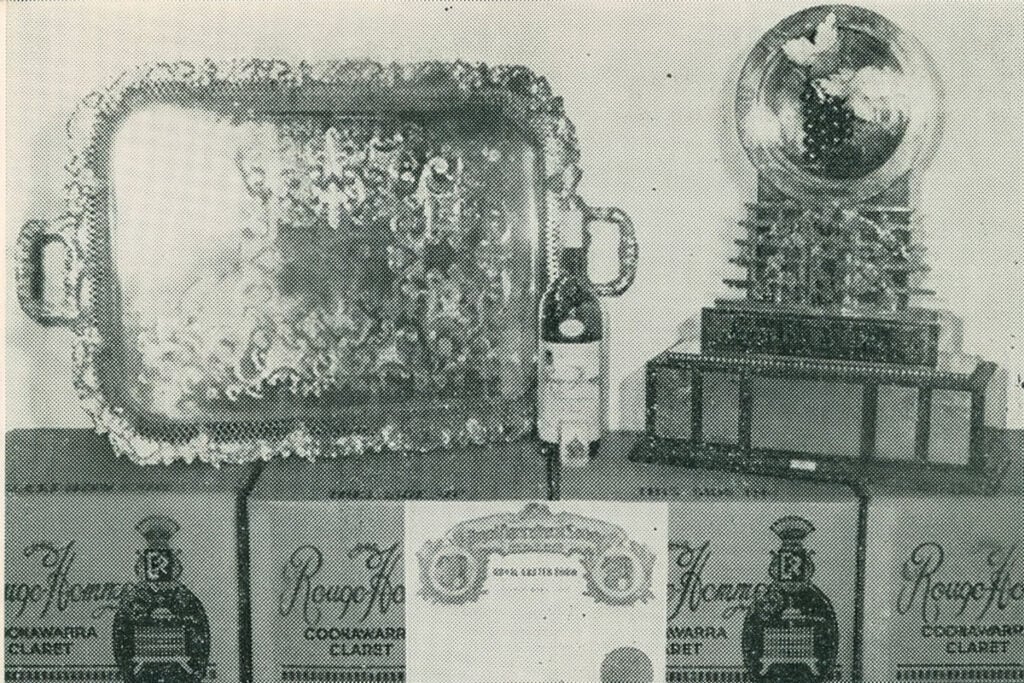
In an interview series with Owen Redman, he reflected on how that was the year that Rouge Homme beat Penfold’s Grange by a few points in the show. When Max Schubert visited Coonawarra, he remarked on what a wasted advertising opportunity it was that there was no wine to sell following the accolades being won.
Redman bids Rouge Homme au revoir
By July 1965, the Redman’s had sold up the winery, acreage and Rouge Homme label to Lindeman’s, who not only considered the Rouge Homme label to be a valuable asset to add to its ever-expanding portfolio, but Coonawarra as a region brimming with potential. The terms of sale included a provision that Don Redman would stay on to manage Rouge Homme until the end of 1965 and that Bill Redman would stay on as a director. In June 1966, Bill Redman retired, Owen and his wife Edna purchased Arthur Hoffman’s 16-hectare vineyard and Owen’s brother, Don, launched the first wine shop in the city.
Philip Laffer arrived on 5 January 1966 and Lindemans were now in control. James Halliday in his book “Coonawarra – the history, the vignerons and the wines” noted that “By purchasing Rouge Homme Wines Pty Ltd, Lindemans acquired the Cellar Vineyard, Richardson’s, Snellings, Limestone Ridge, St Cedd’s and the South Block. Lindemans, in its own right subsequently purchased St George from Wynniatt and the Nursery Block from Childs.
Return to Redman – and Coonawarra
Despite having moved to Adelaide, Owen was determined to return as quickly as he could to the place of work he loved. Redman Wines was launched in 1966. Owen made wine in Eric Brand’s shed in 1966-1968, selling grapes to Lindeman’s. He negotiated the purchase of Charlie Skinner’s adjacent 10-acre property for £8,000, which became the site of the new Redman Winery.
Owen and Edna launched their eponymous label in 1967 with a Redman claret from the 1966 vintage and, over the next decade, slowly increased their holding to 36 hectares, growing only cabernet sauvignon and shiraz grapes. All the wine made for the first three years was made at the neighbouring Brand’s Laira winery, connected to the Redman family through Owen’s sister, Nancy, who was married to Eric Brand, one of this wine region’s founding fathers.
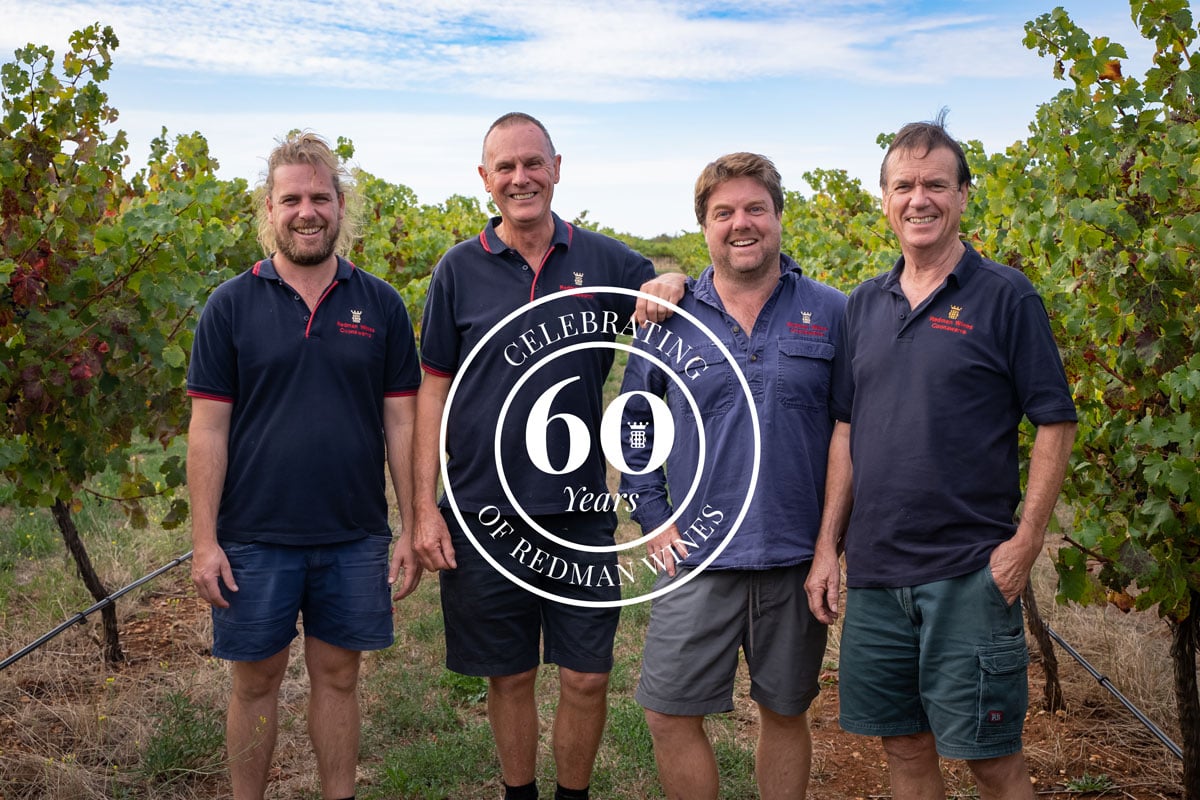
Owen continued in his role as winemaker at Redman Wines until 1982, when his sons, Bruce (a Roseworthy winemaking graduate) and Mal, took over winemaking duties. In 2020, Bruce’s sons, Daniel and Michael, bought into the family business to continue this venerable Coonawarra family tradition.
But what of the Rouge Homme label? Rouge Homme continued to be marketed and sold by successive corporate owners. Winemakers such as Greg Clayfield and Paul Gordon continued to push the quality of the wines, which included a Gold Medal at the International Wine and Spirit Competition for the 1985 Rouge Homme Cabernet Sauvignon and a Jimmy Watson Memorial Trophy in 1994 for Richardson’s Red Block Dry Red.
The Rouge Homme winery was sold to the Di Giorgio Family in 2002.
A wine by any other name…
So, what’s next for Rouge Homme? Let’s just say that the story of this proud Coonawarra label has more chapters to be written. The Redman family purchased the brand back from Treasury Wine Estates (TWE) in May 2026, returning it to the family portfolio in the sixtieth year of the Redman brand. The intention is to continue to make small parcels of wine alongside the Redman range, giving wine lovers a taste for the classic medium–bodied style of wine that has always made Coonawarra famous. You can read more about the purchase back from TWE here